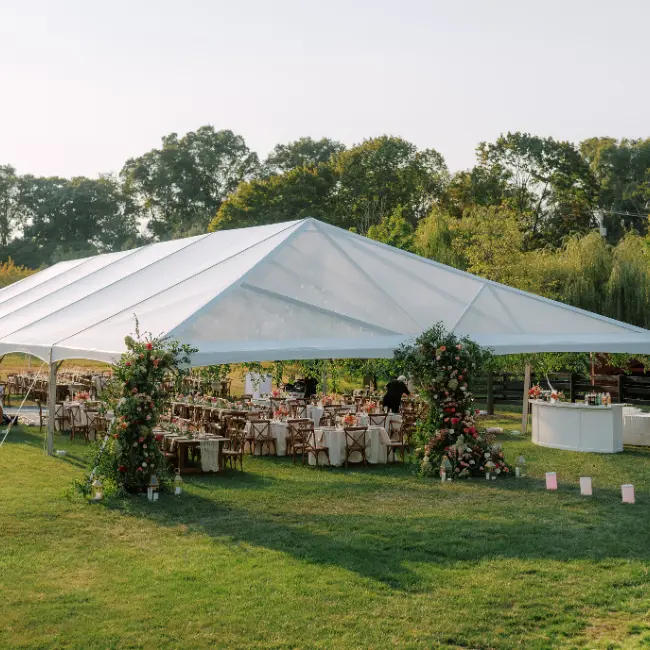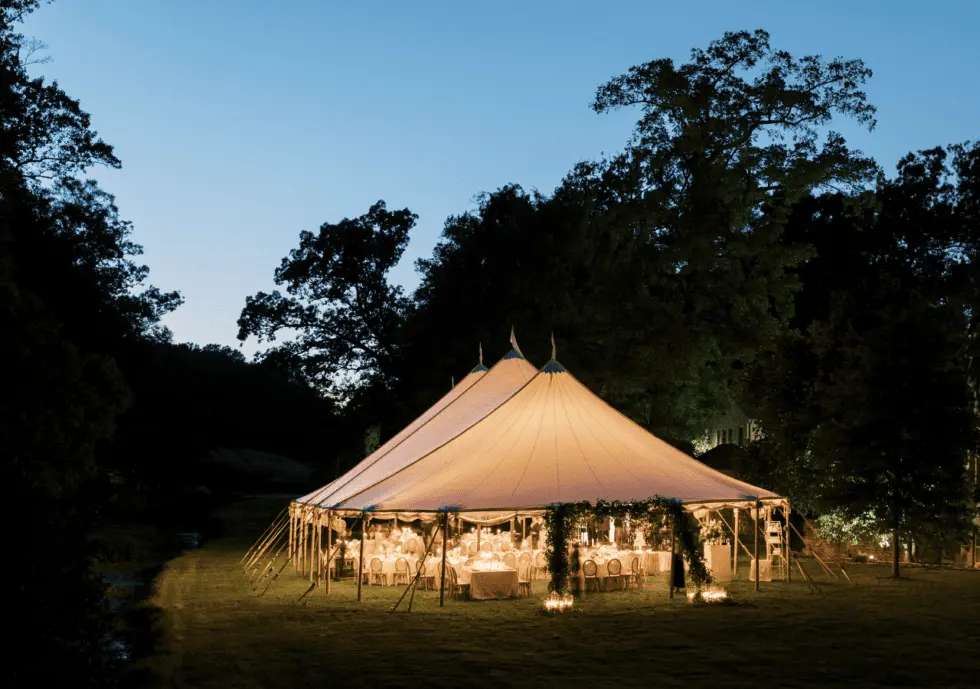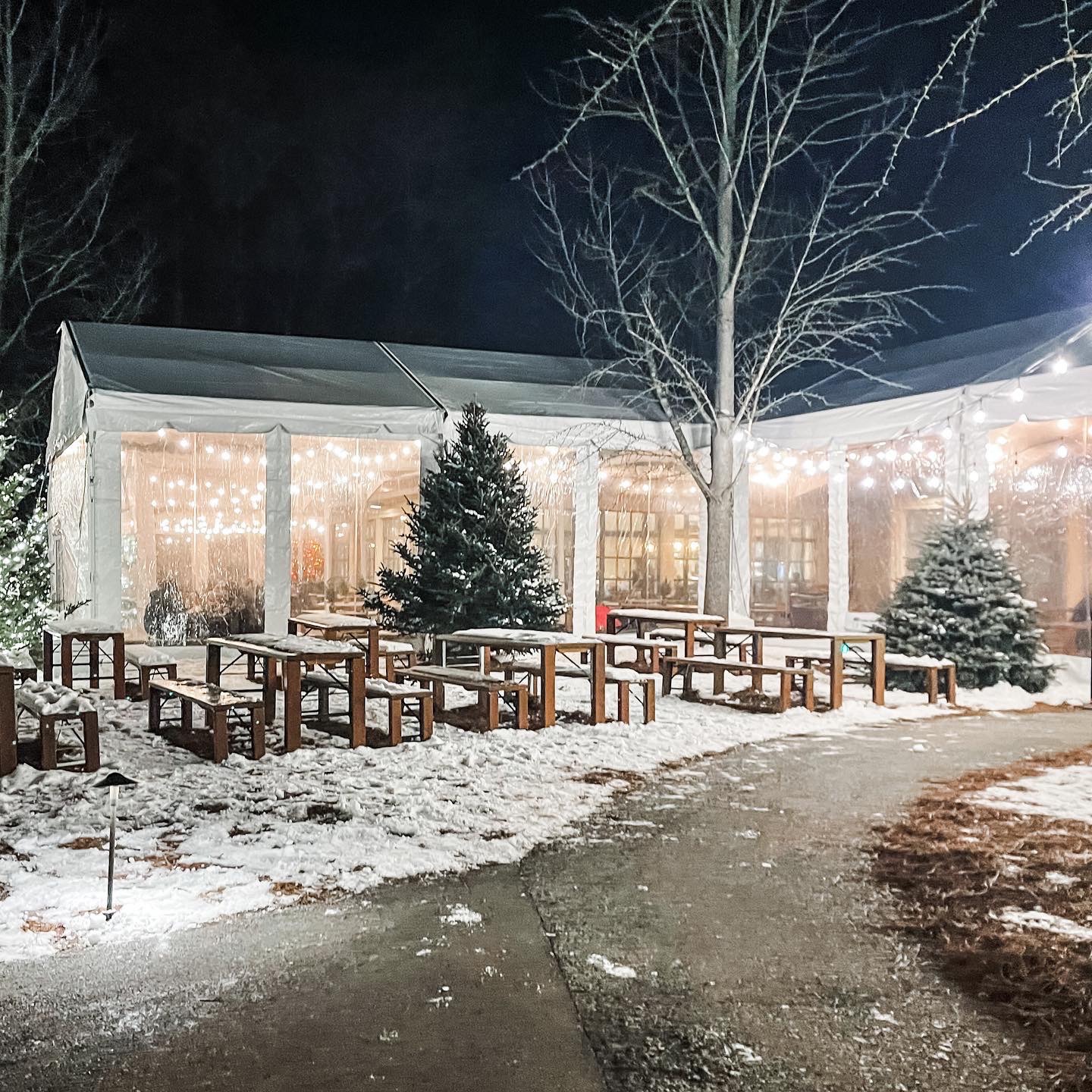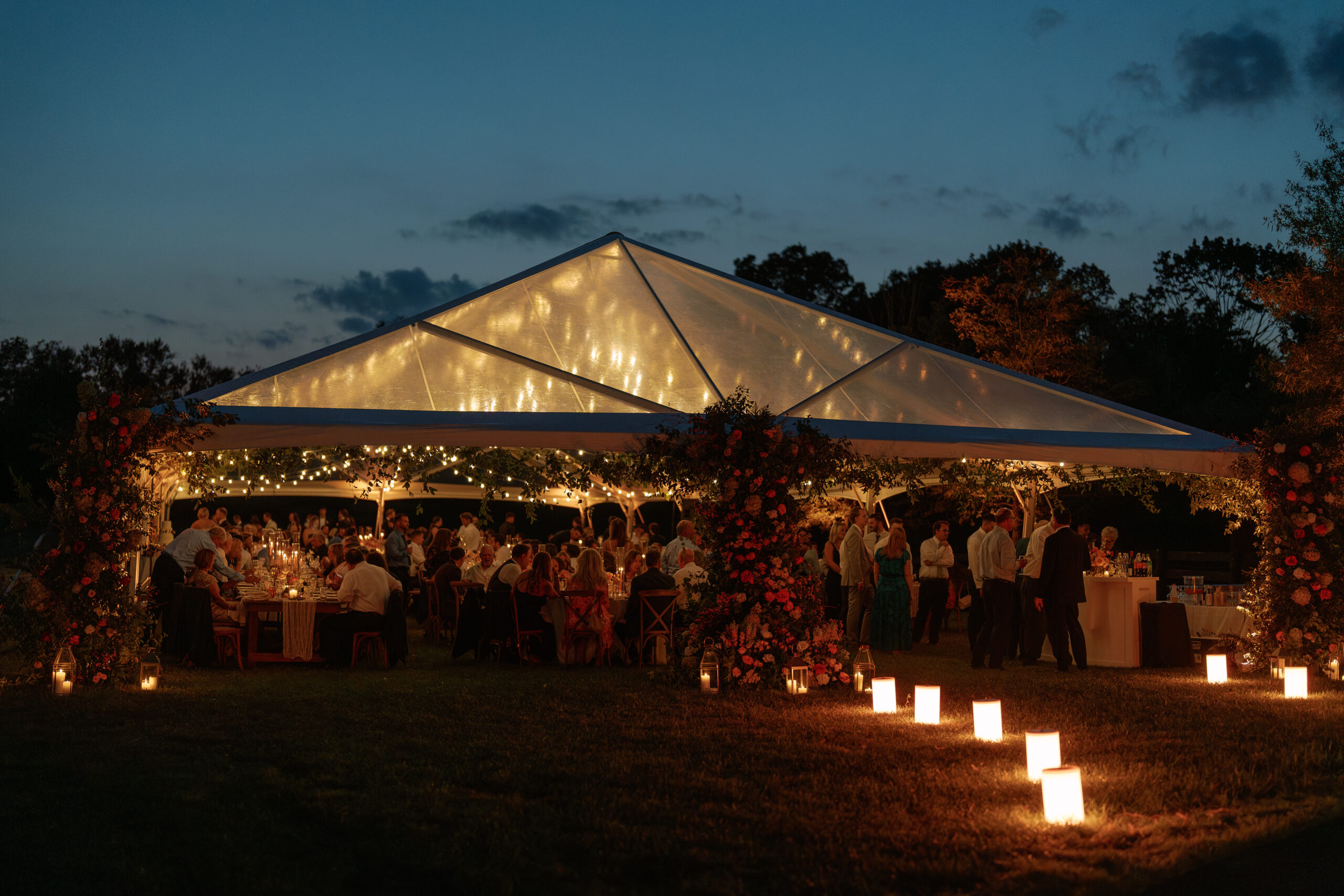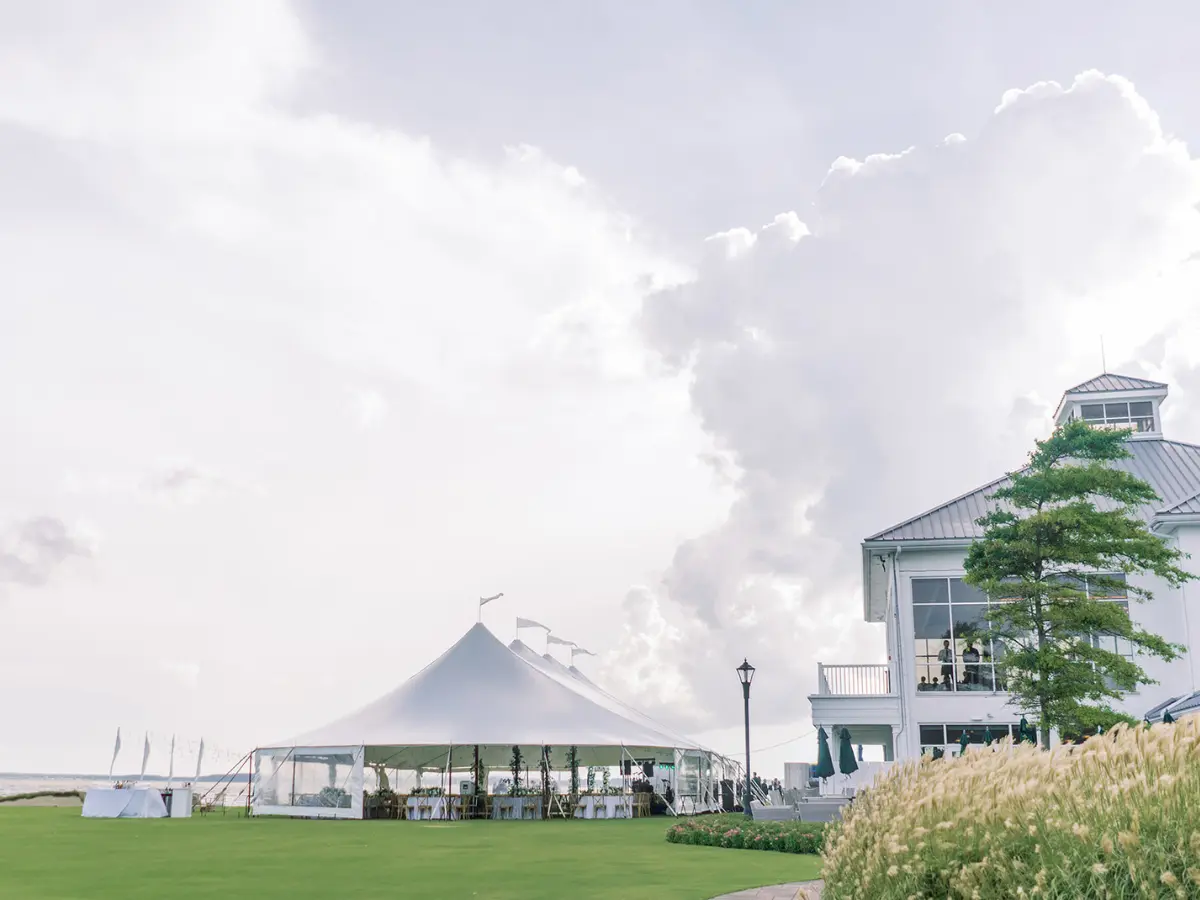
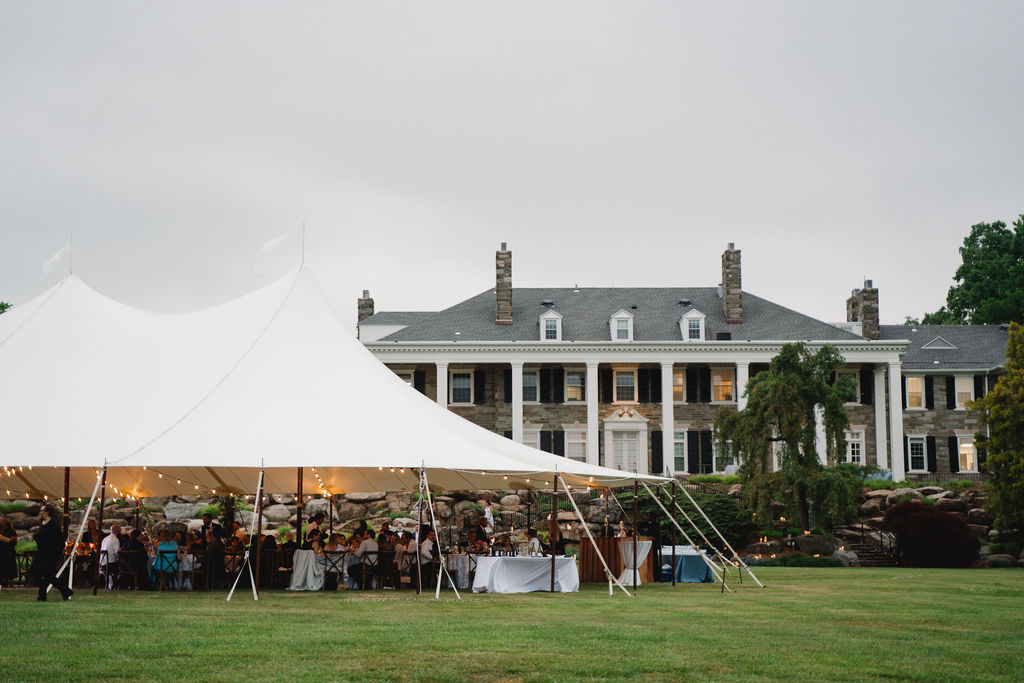
Spring tent planning requires thoughtful preparation, strategic layout design, and weather contingency planning. Whether you're hosting a spring tent wedding, corporate outdoor event, fundraiser gala, or graduation celebration, early planning ensures your event is seamless — rain or shine.
Spring is one of the most popular seasons for outdoor tented events. The scenery is beautiful, guest excitement is high, and calendars fill quickly. But unpredictable weather and ground conditions make expert planning essential.
Before you book your event tent rental, here’s what you need to know.
Spring Weather Requires a Backup Plan
Spring weather is notoriously unpredictable. A sunny afternoon can quickly shift to wind, rain, or chilly evening temperatures.
When planning a spring tented event, consider:
- Rain contingency strategies
- Sidewalls for wind protection
- Tent heaters for cooler nights
- Proper anchoring for spring wind conditions
- Flooring to prevent mud issues
For a spring tent wedding, this protects your ceremony timeline and guest comfort.
For corporate tent events and fundraisers, it ensures professionalism and brand integrity.
The key: plan for flexibility from the beginning.
Ground Conditions Impact Tent Installation
Spring ground is often softer due to thawing and rain. This affects:
- Tent staking and anchoring
- Equipment load-in access
- Flooring stability
- ADA accessibility
A site visit is critical — especially for private properties, parks, or open fields. Evaluating drainage, slope, and surface conditions early prevents last-minute challenges during installation.
Proper spring tent planning always starts with the ground.
Choose the Right Tent Size for Your Guest Count
One of the most common questions in event tent rental planning is:
“What size tent do I need?”
Tent size depends on more than guest count. You must also factor in:
- Dining style (plated vs. buffet)
- Dance floor size
- Stage or AV setup
- Bar placement
- Lounge areas
- Catering prep space
- Silent auction tables (for fundraisers)
For example:
- 100 guests seated with a dance floor requires significantly more space than 100 guests at cocktail tables.
- Corporate tent events may require staging, projection screens, or truss structures.
- Fundraiser tent rentals often include auction displays or sponsor activations.
Layout planning should happen before securing your tent size.
To visualize your event footprint and determine the right configuration, explore our Tent Layout Planner — an interactive tool designed to help you map out seating, staging, bars, and more before finalizing your tent size.
Power Planning Is Essential for Outdoor Tented Events
Outdoor tented events rarely operate on standard venue power alone.
You may need:
- Generators
- Power distribution
- Catering power calculations
- AV load planning
- Dedicated circuits for lighting
Spring sunsets are stunning — but once daylight fades, lighting transforms your space.
- For spring tent weddings, lighting creates romance and atmosphere.
- For corporate events, it ensures visibility and professionalism.
- For fundraisers, it enhances guest engagement and ambiance.
Production planning should be integrated into your tent rental strategy — not added later.
Book Early for Spring Tent Rentals
Spring is peak season for:
Inventory availability — especially specialty tents, flooring, and custom lighting — becomes limited quickly.
For larger events (150+ guests), begin planning 6–9 months in advance to secure preferred dates and inventory.
Early spring tent planning gives you the most flexibility.
Already inside the 6–9 month window?
Spring dates fill quickly, but we regularly support short-turnaround tented events. The sooner we connect, the more options we can preserve for you.
Think Beyond the Tent Structure
The tent is the foundation — but a successful event requires a cohesive environment.
Complete tented event planning includes:
- Flooring systems
- Climate control
- Staging
- Lighting design
- Linens and rentals
- Power distribution
- Layout optimization
- Weather contingency planning
When all elements are designed together, your tented event feels elevated — not temporary.
Why Collective Event Group Is Your Spring Tent Planning Partner
Spring tent planning requires more than reserving equipment — it requires experience, foresight, and production expertise.
At Collective Event Group, we provide comprehensive tented event solutions for:
- Spring tent weddings
- Corporate tent events
- Fundraiser tent rentals
- Graduation and festival setups
Our team conducts site evaluations, designs custom layouts, plans power and lighting systems, and builds weather contingency strategies to ensure every detail is covered.
From intimate backyard celebrations to large-scale tented galas, we transform open spaces into fully realized event environments — beautifully and reliably.
Ready to start planning your spring tented event? Contact our team to begin your customized tent rental consultation.
Spring Tent Planning FAQs
For weddings and large corporate or fundraiser events, booking 6–9 months in advance is ideal. Smaller events may require 3–6 months, but popular spring dates fill quickly.
For 100 seated guests with round tables and a dance floor, you typically need a tent between 2,000–3,000 square feet. Layout, bar placement, and staging needs will affect final size. We have a variety of tent layouts for 100 guests that you can see in our tent layout planner.
Yes — when professionally installed and properly anchored. Adding sidewalls, flooring, and drainage planning ensures your tented event remains comfortable and protected.
In many cases, yes. Catering equipment, lighting, sound systems, and climate control often require dedicated power beyond standard outlets. A production team can calculate your exact load needs.
Alternative anchoring solutions, weighted ballasts, or engineered flooring systems can be used depending on site conditions. A pre-event site visit helps determine the best approach.